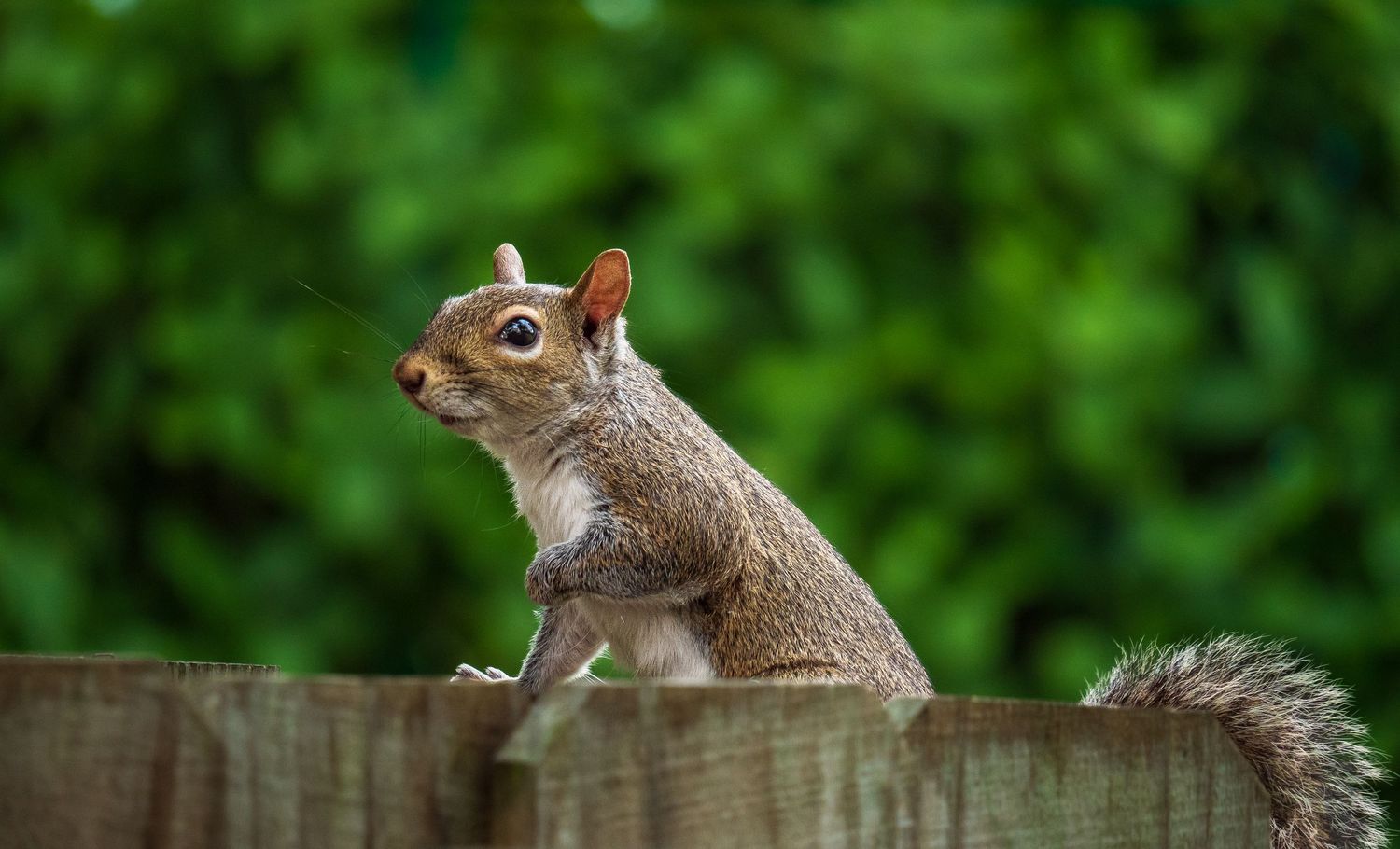
The Eastern Gray Squirrel: Nature’s Agile Acorn Ambassador
The Eastern Gray Squirrel (Sciurus carolinensis) is one of North America's most recognizable and entertaining wildlife residents. Whether you spot them darting across the yard, chasing each other through the trees, or nibbling away at a snack, these clever critters are more than just backyard regulars—they’re essential to our ecosystems and surprisingly fascinating creatures.

What Eastern Gray Squirrel Eat, their Habitats, And origins
Eastern Gray Squirrels are native to the eastern and midwestern United States, as well as parts of southeastern Canada. Their range stretches from the Gulf of Mexico up through Ontario and as far west as eastern Texas and the Dakotas. These squirrels have also been introduced to areas far beyond their original range, including parts of the western U.S., Ireland, the United Kingdom, and Italy, where they’ve adapted incredibly well—sometimes too well, displacing native squirrel species.
They thrive in hardwood forests that feature a mix of oak, hickory, beech, and walnut trees—basically, anywhere with a good supply of nuts. However, they're also incredibly adaptable and have made themselves at home in urban and suburban neighborhoods, city parks, and college campuses. Their high intelligence and flexibility make them expert survivors, no matter the setting.
Although they're best known for their love of acorns, Eastern Gray Squirrels enjoy a varied omnivorous diet. They feed on a wide variety of nuts, seeds, and berries, as well as fungi, bark, tree buds, and even agricultural crops like corn. When other food sources are scarce, they’ve even been known to eat insects, small amphibians, bird eggs, or nestlings—though this behavior is relatively rare.
One of the squirrel’s most impressive behaviors is "caching"—storing food in multiple hidden spots to eat during winter months when food is harder to find. Their excellent memory and keen sense of smell help them locate these stashes later on. Some of their forgotten acorns and seeds actually sprout into new trees, making squirrels accidental but important reforesters!

Nesting and Daily Life
Eastern Gray Squirrels typically live in either tree hollows or nests they build themselves, called dreys. Dreys are round, densely packed structures made from twigs, dry leaves, moss, and grass, usually built in the forks of tall tree branches. These nests offer insulation and protection from predators and harsh weather. In colder climates, tree cavities are preferred because they provide better warmth and shelter.
These squirrels are most active during the early morning and late afternoon and spend much of their day foraging or socializing. They’re known for their incredible agility and can leap up to 10 feet from branch to branch. With strong hind legs, sharp claws, and an excellent balance system, they’re like little gymnasts of the treetops.

EASTERN GRAY SQUIRREL BREEDING & BABIES
Eastern Gray Squirrels usually breed twice a year—once between December and February, and again between May and July. Females give birth about 44 days after mating, producing litters of 2 to 6 kits. The babies are born hairless and blind, and they rely completely on their mother for warmth and nourishment.
After about 7 weeks, the young squirrels begin venturing out of the nest and are weaned shortly afterward. By around 9 months old, they are fully independent. While many don’t survive their first year due to predation, traffic, or food scarcity, those that do can live up to 6 years in the wild and even longer in captivity.

How You Can Help The Eastern Gray Squirrel - Friendly Practices
Believe it or not, helping your local squirrels can have positive ripple effects for your entire neighborhood ecosystem. Here are a few ways you can make your backyard squirrel-friendly while supporting local biodiversity:
- Plant Native Trees and Shrubs
- Oaks, hickories, walnuts, and beeches provide food and shelter. Even planting a single native tree can make a big difference over time.
- Install Water Sources
- A small birdbath, shallow dish, or even a water fountain can be a life-saver during hot summer months or dry winters.
- Build Nesting Boxes
- Especially in urban areas with fewer mature trees, nesting boxes give squirrels a safe place to raise their young.
- Avoid Chemical Pesticides and Herbicides
- Many lawn and garden chemicals can poison squirrels or harm the plants and insects they rely on.
- Provide Supplemental Food Wisely
- If you choose to feed them, use unsalted, unflavored nuts like walnuts, pecans, or acorns. Avoid feeding them bread or processed human foods.
- Educate and Advocate
- Share what you’ve learned! Educating your neighbors about the value of squirrels in our ecosystems can help protect them in the long run.

VIEW THE FULL GALLERY
Bring the wildlife home
prints Now Available
Love squirrels as much as we do? Check out our wildlife photography prints featuring the Eastern Gray Squirrel and other local critters. Perfect for adding a touch of nature to your home or office.
Info Sources
- North Carolina State Extension: Eastern Gray Squirrel
- Maryland Department of Natural Resources: Eastern Gray Squirrel Facts
- National Wildlife Federation: Gray Squirrel Profile
- Britannica: Eastern Gray Squirrel Overview
- North American Nature: The Ecological Role of Squirrels
- University of Michigan Animal Diversity Web: Sciurus carolinensis
- The Wildlife Trusts (UK): Grey Squirrel